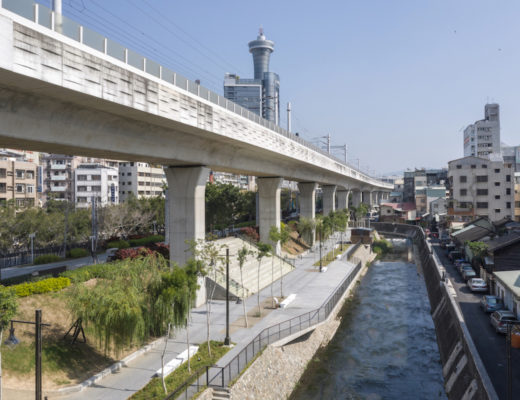
Mecanoo revitalises disused Taichung railway line by turning it into vibrant urban community space and it with other transport infrastructure…
Adaptive reuse Architecture Urban design

Mecanoo revitalises disused Taichung railway line by turning it into vibrant urban community space and it with other transport infrastructure…
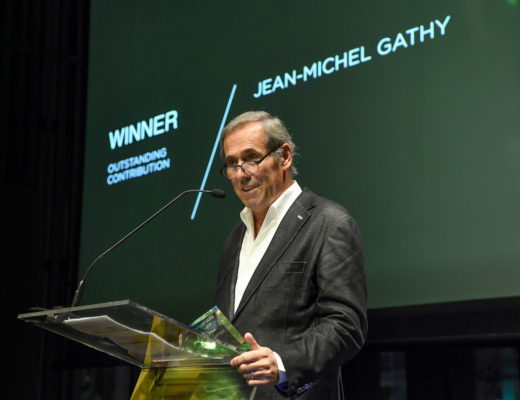
Celebrated designer Jean-Michel Gathy, the founder of Kuala Lumpur-based multidisciplinary firm Denniston, has been recognised with the Outstanding Contribution honour by AHEAD, the awards for hospitality experience and design. The awards event that was held…
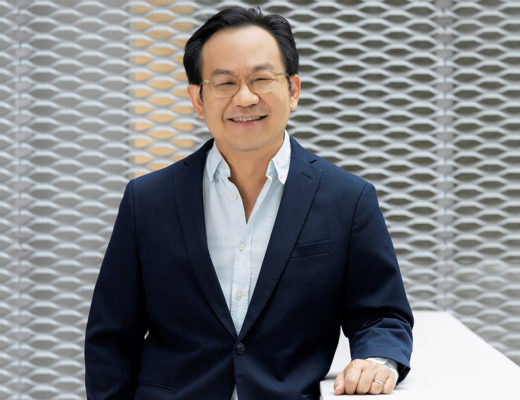
The festival director of the ongoing Singapore Design Week (SDW), Mark Wee, needs no introduction. Having served as the executive director of DesignSingapore Council (DSg) from 2018 until May 2022, he has helped transform…

As one of the main events of the ongoing Singapore Design Week, the inaugural FIND Design Fair Asia will bring under one roof global designers under one roof. The fair, organised by Italy’s Fiera…
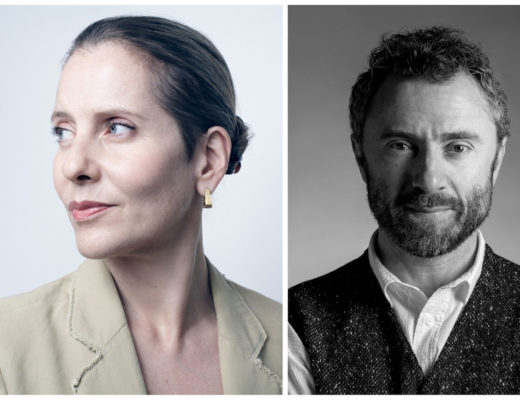
Paola Antonelli, senior curator of the Department of Architecture & Design as well as the director of R&D at the Museum of Modern Art, New York City, and British designer Thomas Heatherwick are among the…
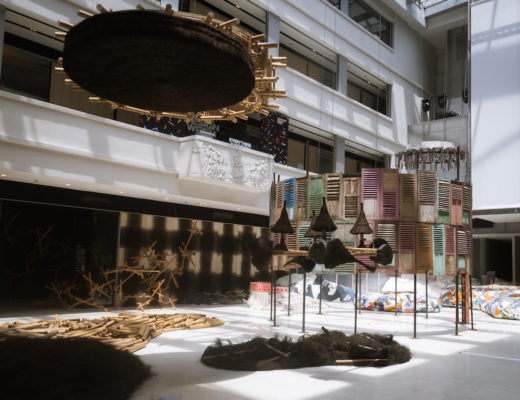
Jakarta native Ronald Akili is not just an entrepreneur but an innovator and changemaker. The founder of Potato Head Bali – a restaurant, beach club and entertainment venue – that catapulted the tropical island…
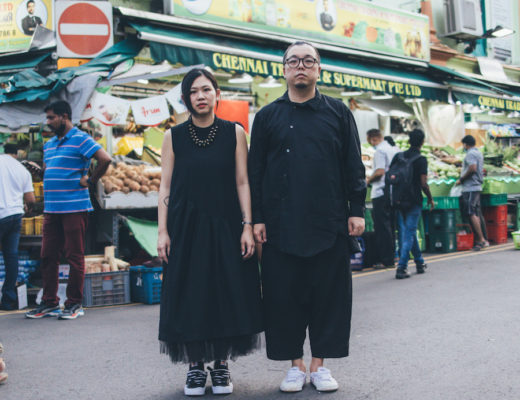
Taking place against the backdrop of the Singapore Design Week (SDW; 16 to 25 September), are several fringe events that highlight multiple facets of design and creative concepts in Singapore and beyond. One such…

In an exclusive interview, Dawn Lim, the new Executive Director of DesignSingapore Council (DSg), shares how after a hiatus of two years, the upcoming Singapore Design Week (SDW) will rejuvenate the industry as it…